

In a world where pressure piles up like emails on a Monday morning, stress has become a constant companion for many. The fast pace, high demands, and digital noise make it all too easy to feel overwhelmed. But with a bit of intention and a few smart habits, you can actively manage your stress levels each day. Here are five practical methods to help you ease the tension and regain control—one day at a time.
1. Start the Day With Stillness
Instead of reaching for your phone the moment you wake up, spend a few quiet minutes grounding yourself. Whether it’s deep breathing, morning journaling, or simply sipping tea in silence, giving your mind a chance to ease into the day makes a surprising difference. That pause before diving into the chaos creates a sense of mental space, which can reduce anxiety and help you focus better throughout the day.
2. Move More, Think Less

Physical movement isn’t just good for your body—it’s fuel for your mind. You don’t have to run marathons or hit the gym every day. Even a brisk 10-minute walk can release endorphins, reduce cortisol (the stress hormone), and sharpen your thinking. Try sneaking movement into your day by dancing while you cook, stretching during breaks, or taking the stairs instead of the elevator. It’s all about motion over perfection.
3. Watch Your Inputs
Much of what we consume isn’t just food—it’s information. Constant exposure to news, social media updates, and digital chatter can leave you feeling drained. Give yourself a break from the screens, especially in the evening. Read something light, listen to music, or even sit with your thoughts. Protecting your mental space is just as important as looking after your physical health.
4. Keep a “Done” List

To-do lists are helpful, but they can also be relentless reminders of what hasn’t been completed. Flip the script by creating a “done” list. Jot down everything you’ve accomplished throughout the day—big or small. Seeing what you’ve managed to get through gives you a confidence boost and counteracts feelings of inadequacy or defeat. It’s a subtle shift in focus, but it has powerful emotional rewards.
5. Practice One-Thing-at-a-Time Thinking
Multitasking might feel efficient, but it often fractures attention and raises stress levels. When you focus on one task at a time—truly, without distraction—you tend to complete it more efficiently and with less frustration. Try setting a timer for focused work sessions or using apps that limit interruptions. Giving your full attention to one activity can create a sense of calm and achievement that juggling five things at once simply cannot.
Stress may be unavoidable, but it doesn’t have to rule your life. By building small, intentional habits into your daily routine, you create a mental buffer between yourself and the demands of everyday life. You don’t need fancy tools or complex systems—just a willingness to slow down, observe, and act deliberately. These techniques aren’t meant to fix everything overnight. They’re small levers you can pull daily to help regain peace of mind. And while life will always bring challenges, how you respond to them is, in many ways, entirely up to you. Let these five practices become anchors—steady, simple ways to remind yourself that you are capable, calm, and far more in control than stress wants you to believe.…
Read More




 Lastly, proper nutrition is crucial for rest and recovery in bodybuilding. Adequate protein intake is essential for muscle growth and repair and overall health and well-being. Carbohydrates are also crucial for providing energy for workouts and replenishing glycogen stores during rest. Additionally, consuming healthy fats, fruits, and vegetables can provide essential nutrients for overall health and well-being.
 Most people need around eight hours of sleep per night. However, this can vary depending on the person. If you’re not getting enough rest, your body won’t be able to recover correctly from workouts, and you’ll be more likely to get injured.
 It’s important to see your doctor regularly, even if you’re healthy. Your doctor can help you identify any health conditions affecting your ability to exercise. They can also provide guidance on how to stay safe and healthy while working out.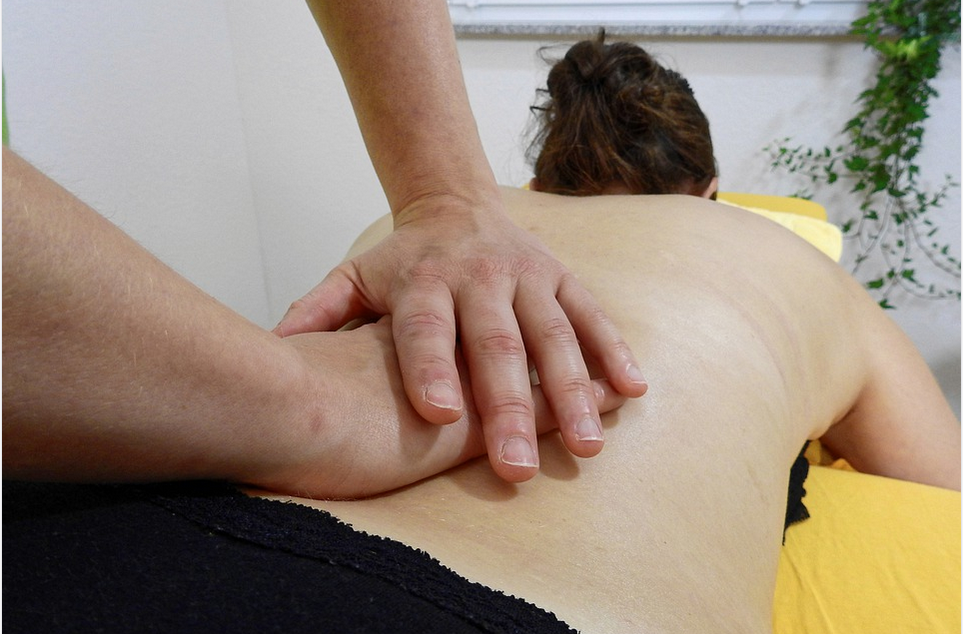
 If you feel like you need to enhance your emotional and mental wellbeing, then kinesiology would be a good option. The holistic approach to the body’s overall health has helped many alleviate stress and depression symptoms. Moreover, some individuals who feel like they are living way below their potential turn to kinesiology to optimize their potential and even get clarity of mind. Additionally, kinesiology could work best to release stress among some people and help them get over some issues they have faced for a long time like traumas and phobias. And by assisting these people to realize their internal balance, they can transform their lives and realize their untapped potential.
 By employing gentle muscle monitoring, kinesiologists manage to access information within your body of which you have no conscious knowledge. The information plays a crucial role in sorting out issues like emotional blockages. Also, the specialist uses muscle monitoring to locate causes of internal imbalance in specific body systems. In testing the body, the expert uses different stimulations like touching acupuncture points, testing the patient with smells, sound and even tastes, and other techniques. Through all these processes, the kinesiologist will identify imbalance points and provide the patient with suitable remedies.